
Olio nuovo: Sicilian new olive oil
Every autumn, Sicily tastes its new oil on a slice of bread. Here is what olio nuovo is, and why it is not meant to wait.
· 5 min read
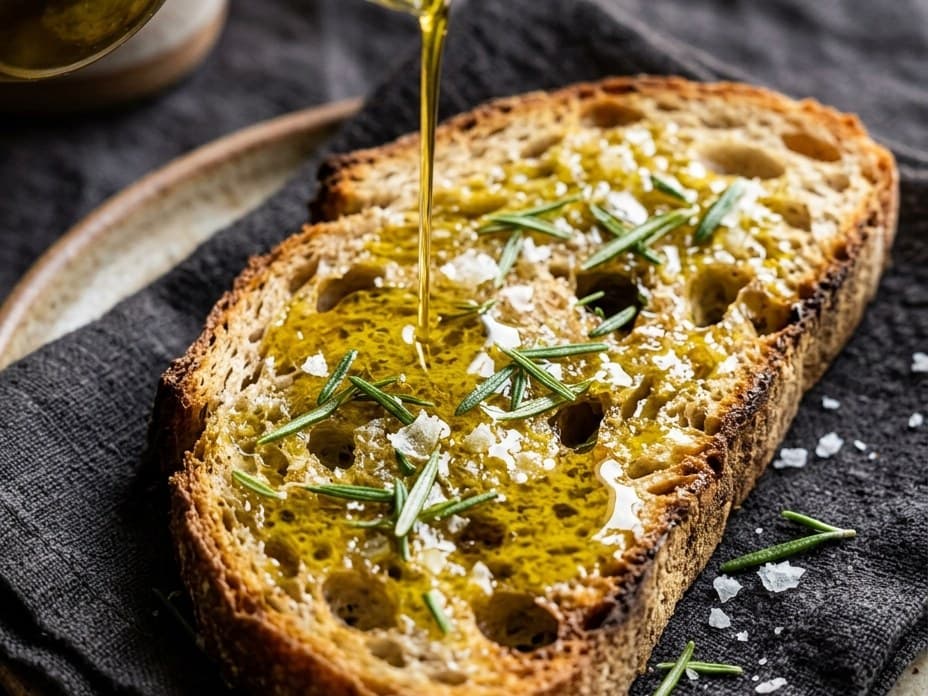
Every autumn, Sicily waits for one moment: the arrival of the new olive oil. Italians call it olio nuovo. It is the oil of the year, fresh from the mill. Here is what it is, why it tastes the way it does, and how to make the most of it.
What is new olive oil?
New olive oil is the oil from the latest harvest. It was pressed a few days or a few weeks ago. In Italy, olio nuovo means the oil of the first months after pressing.
It is not a legal category. A new oil can be extra virgin, or not. The name tells you its age, not its quality. For the real criteria, read our guide on how to spot real extra virgin olive oil.
What sets it apart is freshness. Olive oil is alive. From the moment it leaves the mill, it slowly changes. Its brightest aromas fade, month after month. New oil is oil at its starting point, with all its energy.
A Sicilian October ritual
In Sicily, milling season usually starts in October and runs until December. In the countryside, it is a high point of the year. People bring their olives to the mill, wait their turn, and leave with the oil of the year.
The first gesture is almost always the same. A slice of bread, toasted or still warm. A drizzle of freshly pressed oil. A pinch of salt. Nothing else. It is the simplest way to judge an oil, and probably the fairest.
In many Italian villages, autumn is also the season of new oil festivals. People taste the year's oil on bread, among neighbours, growers and curious visitors. The ritual varies from region to region. The idea stays the same: celebrate the harvest by tasting what it gave.
On our land near Noto, the olives are picked by hand in October, early in the season, while the fruit is still green. We told the story of that season in our article on the olive harvest in the Val di Noto.
What new olive oil tastes like
You notice a new oil first with your nose. The fruitiness is intense and very green. Depending on the variety, you may find freshly cut grass, tomato leaf, artichoke or green apple.
On the palate, two sensations lead. Bitterness, on the tongue. Pungency, rising at the back of the throat, sometimes enough to make you cough. In a young oil, both are at their peak.
These sensations can surprise. They are not flaws. They come from natural compounds in the fruit, more present in olives picked early and in freshly pressed oil. Over time they fade, and the oil becomes rounder and softer.
To taste it properly, pour a little oil into a small glass. Cover it with your hand and warm it for a moment. Smell first. Then take a small sip and draw in a little air between your teeth. The aromas rise, the bitterness settles on the tongue, and the pungency comes last. Tasted this way, a new oil tells you everything at once.
Cloudy or clear
In Italy, new oil is often sold as it is, unfiltered. It looks cloudy, full of tiny fruit particles. It is very traditional. But those particles settle at the bottom of the bottle, and unfiltered oil keeps less well. It is meant to be used quickly.
Our oil is naturally filtered after pressing. It stays clear and keeps more easily, while holding on to its green fruitiness, clean bitterness and peppery finish.
Why you should taste it soon
Olive oil is not wine. It does not improve in a cellar. Its best moment is its youth.
Three things age it: light, heat and air. Even well stored, an oil slowly loses its brightest aromas. The fruit softens, the bitterness and pungency recede. It is still good, but it no longer has the same liveliness.
That is why new oil is best in its first months. To keep it at its best:
- Store the bottle away from light.
- Keep it away from the hob and the oven.
- Screw the cap back on tightly after each use.
- Once opened, use it within about three months.
How to enjoy new olive oil
New oil is a finishing oil. Pour it raw, at the last moment. Heat erases exactly what makes it special.
Start with the simplest: bread and a pinch of salt. Then let it lift plain dishes that show it off:
- A burrata, with a twist of pepper.
- Grilled vegetables, still warm.
- A bean or lentil soup, just before serving.
- A tomato and anchovy bruschetta.
- Pasta simply dressed with garlic and chilli.
A spoonful is often enough. An oil this aromatic does not need to be poured in quantity. It is part of the dish, not a cooking fat.
Our 2026 new oil
This year again, our Nocellara and Tonda Iblea olives were picked by hand in October, then cold pressed. They come from our century-old trees on the limestone soil of the Noto terroir.
The 2026 harvest oil is available for pre-order. We ship it from Paris from 14 December 2026, by 18 December at the latest, as soon as it arrives from Sicily. It reaches you in its first months, while a young oil is still at its liveliest.
In the meantime, the 2025 harvest oil is available. Find both on our Sicilian olive oil page.
Frequently asked questions
- What is new olive oil?
- It is the oil from the latest harvest, enjoyed in the first months after pressing. Italians call it olio nuovo. It is not an official category: the name refers to freshness, not quality.
- Why is new olive oil so peppery?
- Pungency and bitterness peak in a young oil, especially when the olives are picked early. They are not flaws. They soften over the months.
- When is new olive oil available?
- In Italy, it comes with the milling season, from October to December depending on the region and the variety. Further away, add the time needed for bottling and shipping.
- How long does new olive oil keep?
- It is at its best in its first months. Closed and stored away from light and heat, it keeps longer, but its aromas soften. Once opened, use it within about three months.
- Can you cook with new olive oil?
- It is best poured raw, at the last moment. Cooking erases its brightest aromas. Keep a simpler oil for the pan.